EXPLORE ELSEWHERE
Norway: A Storybook Adventure Through Fjords, Culture & Wild Beauty
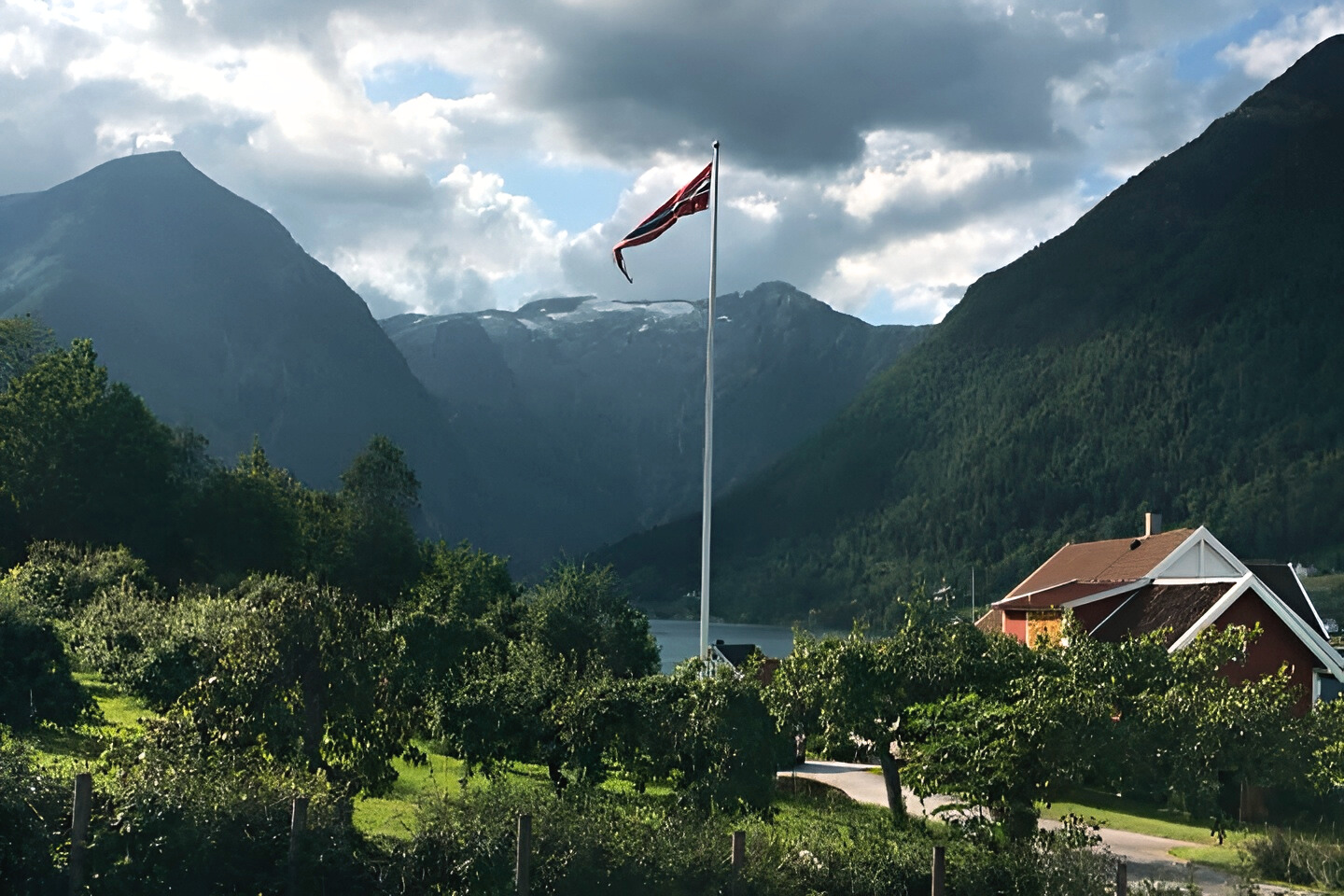
Visiting Norway feels a little like stepping into a fairytale—towering mountains, mirror-glass lakes, and pastel waterfront towns straight out of a painting. Our journey took us from the dramatic western fjords to charming mountain villages, weaving through landscapes that often left us speechless.
Whether you’re planning your first visit or returning for another round of Nordic magic, here’s everything we learned from exploring Norway the slow, scenic, soul-filling way.
Best Time to Visit
Norway changes dramatically with the seasons, so timing really shapes your experience.
-
Summer (June–August)
The most popular time to visit. Long days, warm temperatures, active ferries, and open hiking trails make this the easiest season for first-timers. Expect 18–20 hours of daylight in the north. -
Fall (September–October)
Crisp air, fewer crowds, stunning colors. Some ferries and attractions begin reducing hours, but it’s a beautiful shoulder season. -
Winter (November–March)
Perfect for the Northern Lights, skiing, and cozy cabin vibes—but limited daylight and icy roads make travel slower. -
Late Spring (May)
Snow is melting, waterfalls are roaring, and wildflowers begin to bloom. A wonderful “in-between” time if you’re okay with some seasonal closures.
Navigating Norway: North vs South
Norway is long—really long. Getting around depends on where you’re headed.
Southern Norway
Easier to travel, with reliable public transport, major cities (Oslo, Bergen, Stavanger), and accessible fjords. Roads are smoother, distances are shorter, and accommodations are plentiful.
Northern Norway
Raw, rugged, and unforgettable. Home to the Lofoten Islands, Tromsø, and Arctic landscapes. But distances are greater, roads are more remote, and weather changes quickly. Winter travelers will encounter extreme daylight variations—from polar night to 24-hour summer sun.
Driving vs. Public Transport
Norway’s trains and ferries are excellent, but driving sometimes gives you the flexibility you need—especially in the fjord region. Just be prepared for tunnels, switchbacks, and sudden elevation changes.
Navigating Fjords: Balestrand → Odda → Bergen
Our fjord route followed a beautiful progression—Balestrand to Odda to Bergen—each stop offering its own unforgettable landscape and rhythm.
We scheduled our own ferries and drove our rental car onto each one, which turned the journey into its own adventure. Experiencing the fjords from the ferries is its own reward—gliding across still water while cliffs rise dramatically around you, waterfalls ribbon down mountainsides, and the villages feel like quiet watercolor scenes.
A few tips from our experience:
- Pay close attention to the ferry schedules. Some run infrequently, and missing one can set you back hours.
- Stay flexible. Weather shifts quickly and can affect ferry availability.
- Build in buffer time between stops—this region rewards slow travel.
Balestrand
Quiet, charming, and framed by mountains. A perfect first taste of fjord life.
Odda
A gateway to Trolltunga, thundering waterfalls, and dramatic valleys.
Bergen
Our final stop—a colorful harbor city that blends history, culture, markets, and fjord views. Staying here for a night added the perfect “city meets nature” balance.
Currenvy
Ireland uses the Euro (EUR), while Northern Ireland is part of the UK and uses British Pounds (GBP). Switching currencies mid-trip is easy to forget, so plan accordingly.
Many ATMs in Ireland charge high fees or poor exchange rates.
Our recommendations:
-
Use bank-owned ATMs (Allied Irish Bank, Bank of Ireland, Ulster Bank)
-
Use ATMs inside real bank branches rather than standalone machines
-
Avoid Euronet ATMs
-
Always decline “conversion” and choose to be charged in local currency for the best rate
Culture
Norway uses the Norwegian Krone (NOK), not the Euro. Credit cards work almost everywhere—restaurants, gas stations, ferries, even bathrooms.
Cash is rarely needed, and tipping isn’t customary, though rounding up for exceptional service is always appreciated.
Safety
Norway is one of the safest countries in the world. Violent crime is rare, public transportation is reliable, and even solo travelers feel at ease. The biggest risk? Honestly, slippery rocks near waterfalls or cliffside viewpoints.
Final Thoughts
Norway rewards the curious traveler—the one willing to wander a bit slower, stay a little longer, and follow the road (or ferry!) into the next valley. From the fjords to the cities to the winding mountain passes, it’s a country that takes your breath away again and again.
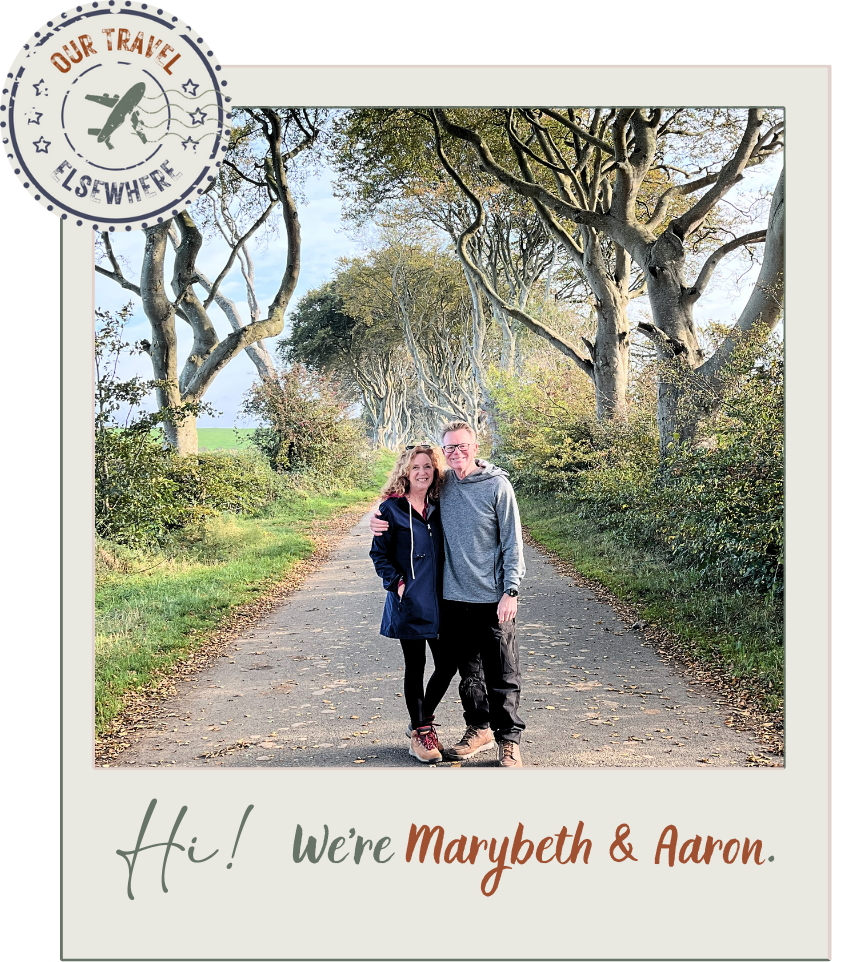
We stay endlessly curious—always exploring, learning, and falling in love with new places. We savor the detours, the surprises, and the beauty found elsewhere.
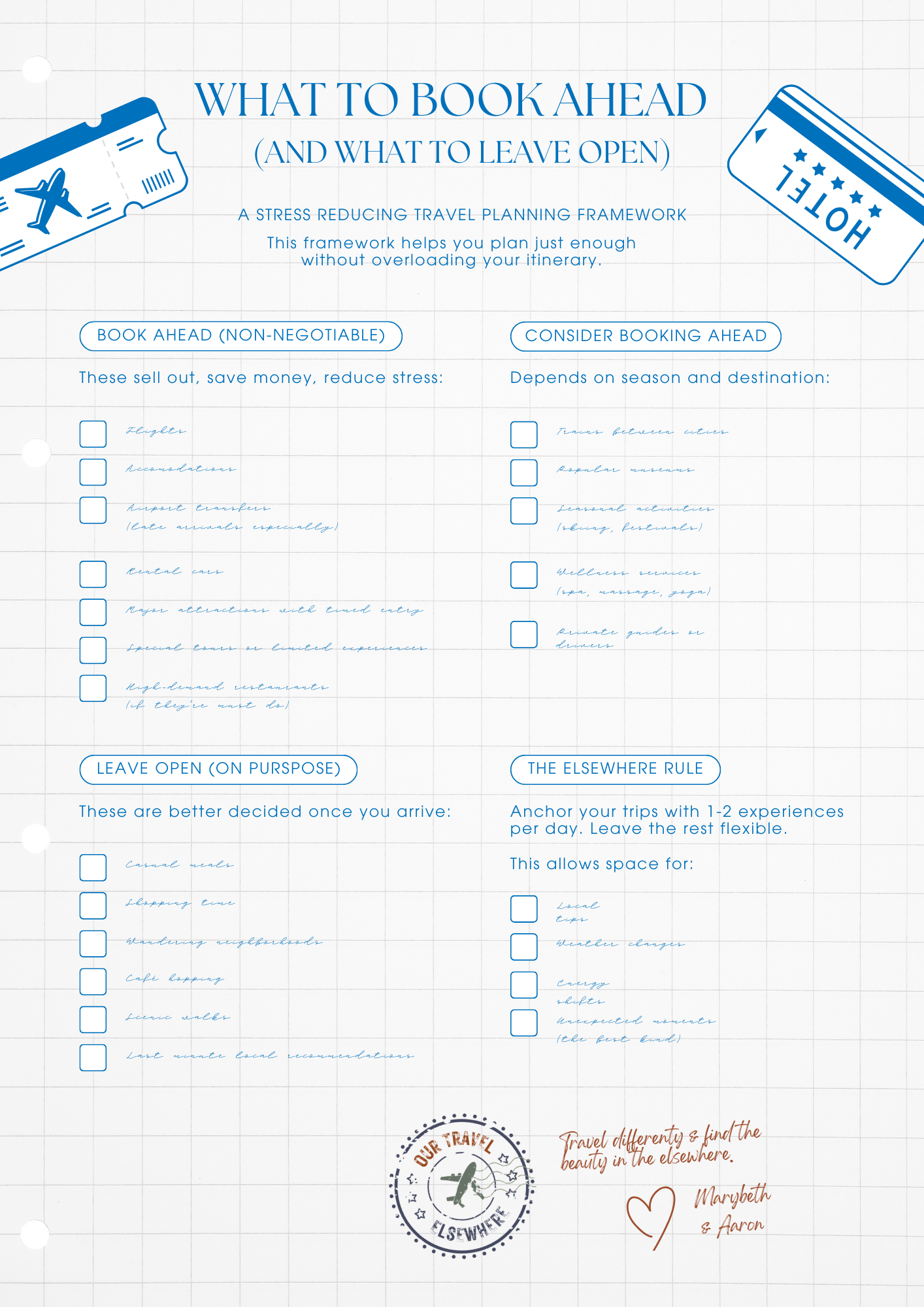
Get instant access to our downloadable travel checklists and planning guides — created from real travel experience to help you prepare with confidence and leave room for the unexpected.