EXPLORE ELSEWHERE
Ireland: A Journey Through History, Heart, and Wild Beauty
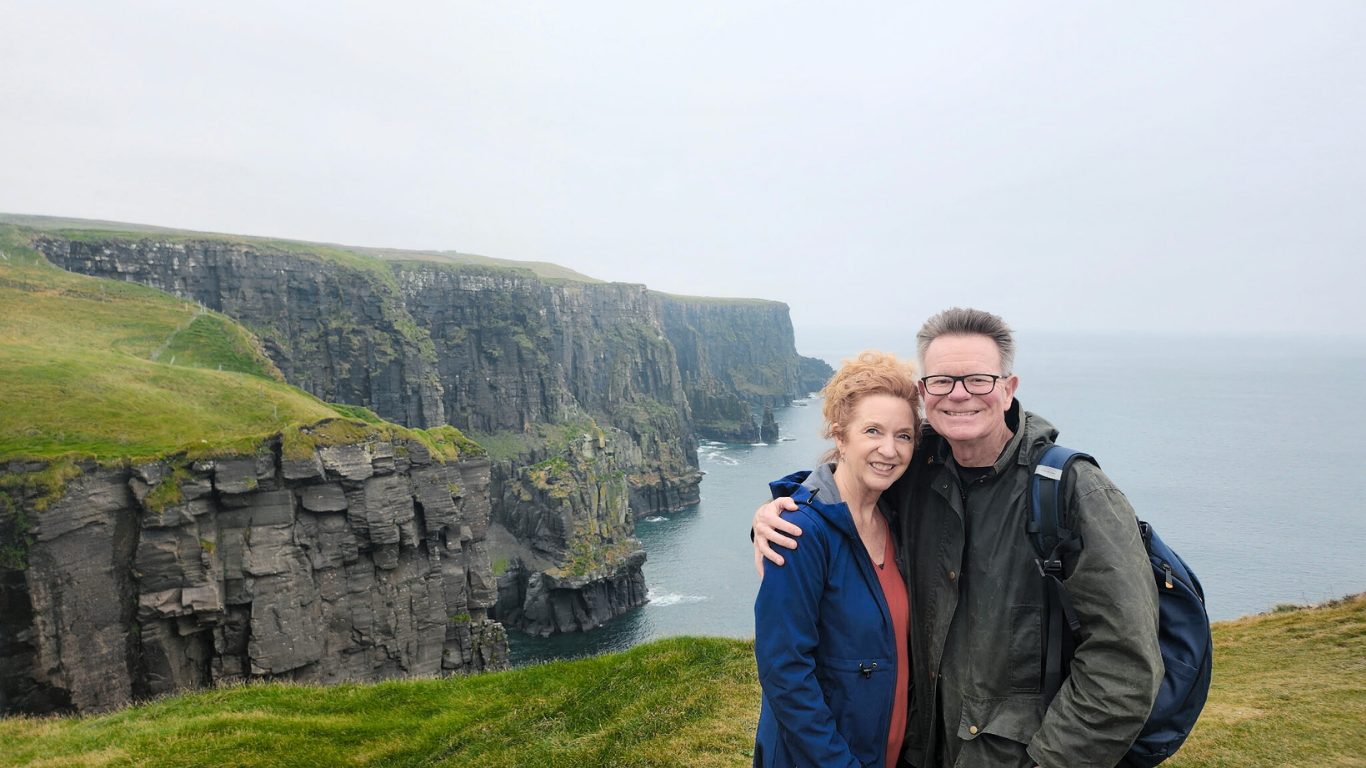
Ireland is a place where rugged coastlines meet ancient castles, where storytelling is a way of life, and where every corner reveals something timeless. Together, we set out to experience both sides of the island, from the Republic of Ireland’s vibrant coastlines to the dramatic landscapes of the North.
Whether you’re drawn to Ireland for its history, culture, landscapes, or legendary hospitality, it’s a destination that leaves its mark long after the trip ends.
Best Time to Visit
We tend to travel in the off-season—late fall through spring—for fewer crowds and better hotel and tour rates. Ireland is beautiful year-round, but off-season visits come with a few considerations: the weather is unpredictable (rain is always a possibility), major attractions may have limited hours, and you’ll enjoy more intimate interactions with locals.
That said, if you’re drawn to Ireland’s festivals, events, and vibrant summer energy, visiting in the warmer months (late spring through early fall) is worth it—but expect larger crowds and higher prices.
Book Ahead — Seriously
Some of Ireland’s most popular attractions book out well in advance, even during shoulder seasons. Kilmainham Gaol in Dublin is a perfect example. Tickets were sold out a month before our trip, and the day-of release only offered two time slots at 9 AM. We refreshed the website constantly and were lucky to snag one.
Tips:
-
Book high-demand attractions before you leave home.
-
For anything that sells out, set alarms for day-of ticket releases.
Travel Challenges ( And How To Handle Them )
We rented a car to explore the country, which gave us flexibility—but driving in Ireland isn’t for everyone. You drive on the left, sit on the right side of the car, and rural roads can be narrow, winding, and shared with tractors or livestock. Travel times can be longer than GPS estimates, and parking in major cities like Dublin and Belfast can be tricky.
Alternatives to driving:
-
Guided tours to remote areas (Cliffs of Moher, Giant’s Causeway, Ring of Kerry)
-
Trains between major cities
-
Local buses or coaches for smaller towns
-
Private drivers for day trips or custom itineraries
Always check venue hours, weather conditions in coastal areas, and allow extra time for unplanned stops or photo opportunities.
Currency And ATM Tips
Ireland uses the Euro (EUR), while Northern Ireland is part of the UK and uses British Pounds (GBP). Switching currencies mid-trip is easy to forget, so plan accordingly.
Many ATMs in Ireland charge high fees or poor exchange rates.
Our recommendations:
-
Use bank-owned ATMs (Allied Irish Bank, Bank of Ireland, Ulster Bank)
-
Use ATMs inside real bank branches rather than standalone machines
-
Avoid Euronet ATMs
-
Always decline “conversion” and choose to be charged in local currency for the best rate
Culture
Ireland and Northern Ireland are both deeply proud and historic, but each has its own identity. The Irish are storytellers at heart, and history is everywhere—from streets and buildings to casual conversations with locals. Take the time to listen and stay open-minded. Northern Ireland’s political past can be sensitive, so approach discussions with empathy and curiosity.
Traditional music is also central to Irish culture. Many pubs host live sessions, where local musicians play reels, jigs, and ballads passed down for generations. Even if you don’t understand the lyrics, the atmosphere is magical. Grab a pint, listen closely, and soak in the music—you’ll often meet locals happy to share a story or two.
Respect The History
Irish history—especially in Northern Ireland—can be emotional.
When talking to locals:
-
Stay open-minded
-
Avoid assuming a single perspective
-
Listen with empathy
-
Recognize that each region, and sometimes each family, has its own narrative
These conversations can be some of the most meaningful experiences on your trip.
Safety
Ireland is generally very safe, but awareness is key.
In larger cities (Dublin, Belfast):
-
Watch for pickpockets in crowded areas
-
Keep bags zipped and phones secure
-
Use licensed taxis or rideshare apps at night
Smaller towns:
-
Quiet and generally safe, though roads may be poorly lit after dark
-
Public transportation can be limited at night
Solo travelers:
-
Ireland is ideal for solo trips—friendly locals, walkable towns, strong infrastructure
-
Still, avoid walking alone late at night and share your itinerary with someone you trust
Groups and couples:
-
Traveling in Ireland is smooth, relaxed, and incredibly inviting
Final Thoughts
Ireland offers a rare mix of sweeping landscapes, deep-rooted history, and a welcoming culture that stays with you long after you leave. Wandering through ancient ruins, sipping Guinness in a pub, or listening to a local’s story connects you in a way only Ireland can.
It’s a country we’ll return to—and one we think everyone should experience at least once.
We stay endlessly curious—always exploring, learning, and falling in love with new places. We savor the detours, the surprises, and the beauty found elsewhere.
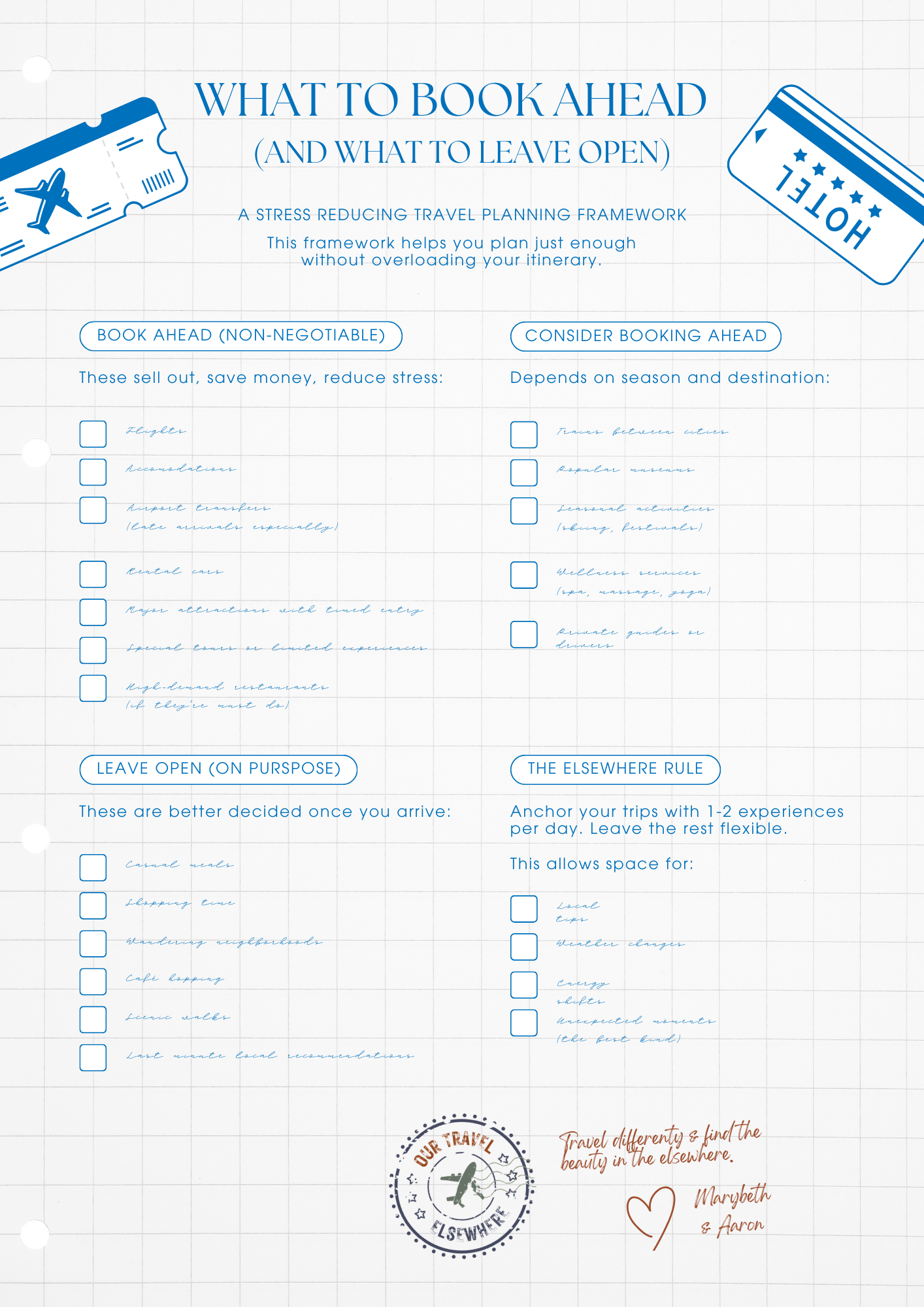
Get instant access to our downloadable travel checklists and planning guides — created from real travel experience to help you prepare with confidence and leave room for the unexpected.